The first Pakistan Halal Forum 2026 set out an ambitious roadmap: $40–50 billion in Halal exports, certification harmonisation and digital traceability. For an Italian company exporting to Islamic markets, this scenario has direct implications: a market of 240 million Muslims is gearing up to compete globally, and the window to establish a position is open now.
The first Pakistan Halal Forum 2026, held in Karachi, brought together entrepreneurs, regulators and international stakeholders around a precise objective: to transform Pakistan into a leading Halal exporter, with a target of $40–50 billion. The roadmap presented at the forum rests on three pillars: export growth, harmonisation of Halal certification systems and digital traceability across the entire supply chain. This is a clear political and industrial signal that concerns not only Pakistan but reshapes the competitive landscape in the Islamic markets that Italian companies are also seeking to serve.
At first glance, the growth of Pakistan's Halal industry might seem like a distant story. In reality it has direct consequences for those who export — or wish to export — to OIC member countries. Here is why.
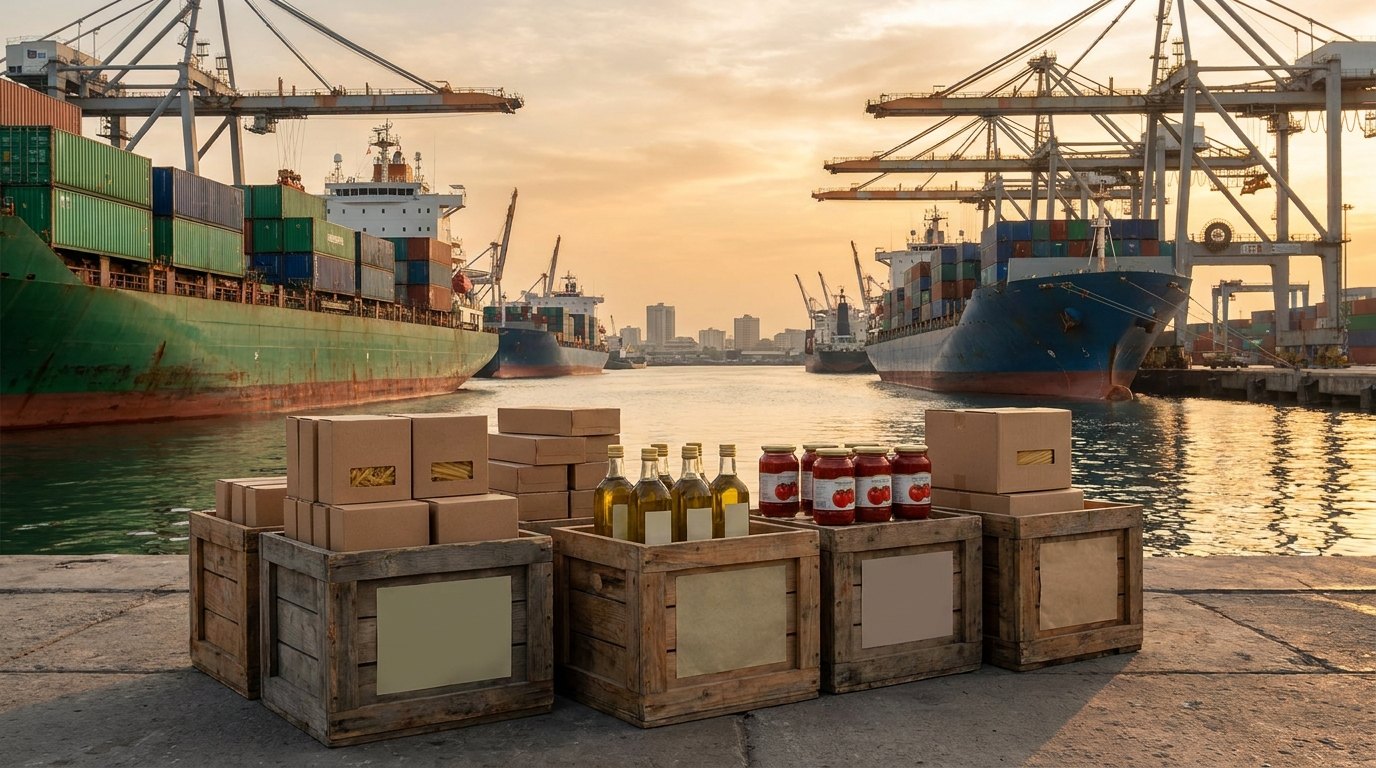
Italy has real strengths in Islamic markets: olive oil, pasta, tinned tomatoes, cheeses, coffee, confectionery and high-quality processed products. However, these advantages translate into orders only if the product holds a Halal certificate that is recognised in the destination country. The news from Pakistan confirms a trend already under way: countries with large Muslim populations are investing in more robust certification systems, and importing countries are becoming more selective about the bodies they recognise.
The case of New Zealand — which lost access to the UAE market after its certifying body had its recognition revoked — has already been examined on this blog. The Pakistan Halal Forum 2026 adds another variable: it is not enough to be certified; you must be certified by a body that is recognised in your target markets and capable of maintaining that recognition over time.
Whether you are already exporting to Islamic markets or considering doing so, the Halal certification process is the essential starting point. The key steps are as follows:
HQC Italia has been active in Halal certification since 1983 and is recognised in more than 50 countries, including Saudi Arabia (SASO and SFDA), the United Arab Emirates (GAC and EIAC), Malaysia (JAKIM), Indonesia (BPJPH and MUI), Singapore (MUIS) and Thailand (CICOT). The certification process involves the submission of technical documentation, a facility audit and verification of compliance with the applicable international standards, including GSO 2055-2 for Gulf Cooperation Council countries. HQC is accredited to ISO/IEC 17065, the international standard for product certification bodies.
If you would like to know whether your product can be certified and which markets you can reach with an HQC certificate, you can request a free quote within 24 hours.
The Pakistan Halal Forum 2026 is not simply news about Pakistan: it is a signal that the global Halal market is becoming more structured, rules are converging and competition is intensifying. For an Italian company, the right response is not to wait: it is to secure a Halal certificate recognised in the markets of interest before the barriers become harder to clear.
Source: HalalFocus — Pakistan Halal Forum 2026 sets $50 billion export ambition, unveils industry roadmap
Tell us about your product and your target markets: the quote is free and arrives within 24 hours.